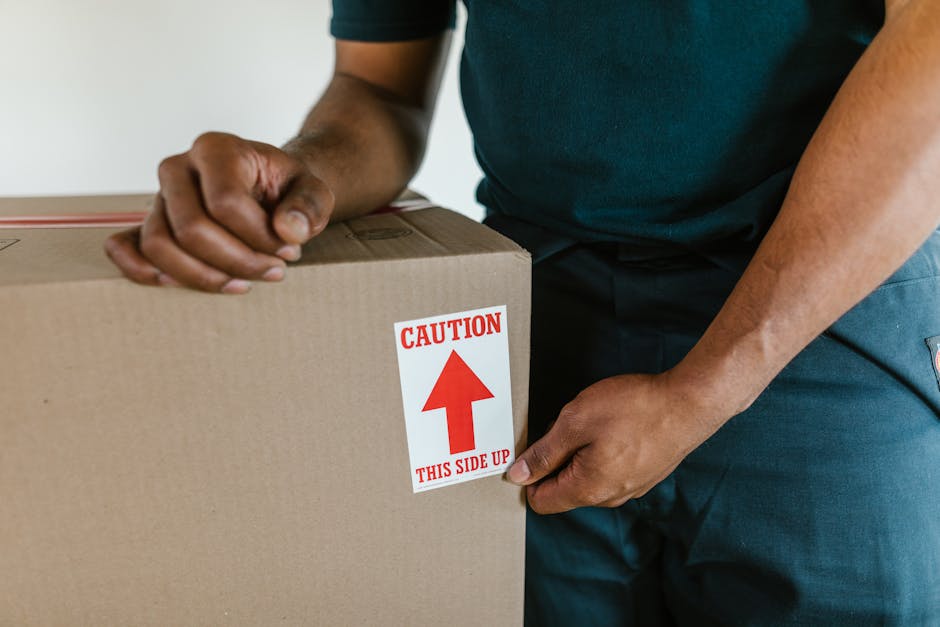
Richmond Park moving tips for large items removals

Moving a sofa, wardrobe, piano, American-style fridge, or another awkward heavyweight item is stressful enough without adding narrow hallways, tight stairwells, parking concerns, and the stop-start rhythm of a London move. If you are looking for Richmond Park moving tips for large items removals, the good news is that the job becomes much easier once you break it into a few sensible stages: measure, prepare, protect, lift correctly, and choose the right moving method for the space you actually have.
That is the real difference between a move that feels chaotic and one that feels under control. In Richmond Park and the surrounding residential streets, large-item removals often need a bit more care than people expect. Doors are smaller than the item, corners are tighter than they looked at first glance, and suddenly the sofa is "definitely not going that way". Been there. The aim of this guide is to help you avoid that moment, reduce damage, and decide when a professional removal service is the smarter call.
Below you will find practical advice, a step-by-step plan, a checklist, and a realistic look at the options people usually compare when they need heavy furniture removed from a home, flat, or office around Richmond Park.
Why Richmond Park moving tips for large items removals Matters
Large items create a different kind of moving problem. A box can be re-angled, stacked, or carried one-handed. A heavy dining table, by contrast, is unforgiving. It is awkward, easy to scratch, and often too bulky for one person to control safely. Add a stairwell, a tight landing, or a Victorian doorway near Richmond Park and you are suddenly dealing with a task that needs planning rather than enthusiasm.
This matters for three main reasons. First, safety: large-item moves can strain backs, hands, shoulders, and knees if the lift is rushed or badly coordinated. Second, property protection: a single bad turn can chip paintwork, dent doors, or mark floors. Third, timing: the longer the item takes to move, the more disruption you cause to neighbours, traffic flow, and your own schedule. For a family home move, that can mean the whole day sliding sideways. For a business, it can mean avoidable downtime.
Richmond Park itself is not the issue so much as the surrounding local environment. The roads, access points, resident parking, and mix of homes and flats all create practical constraints. If you are moving a large item from a top-floor flat or into a house with a narrow hallway, a bit of local awareness goes a long way. Truth be told, most "difficult removals" are not difficult because of the item alone; they are difficult because nobody planned the route properly.
That is why good prep matters more than brute strength. It saves time, reduces risk, and usually costs less than fixing avoidable damage. If you want to understand how a broader move is handled, it may also help to look at home moves and house removals as part of the bigger picture.
How Richmond Park moving tips for large items removals Works
The process is simple in theory, although the detail is where people trip up. A solid large-item removal usually follows a sequence: assess access, prepare the item, protect the property, move with the right equipment, and unload in the correct order at the destination. Skip one of those steps and the whole thing gets harder than it needs to be.
Start with a route check. Measure the item, then measure door widths, hallway turns, stair widths, and any tight corners. It sounds obvious, but people often measure the sofa and forget the lamp, handles, feet, or the fact that it has to turn halfway through the landing. If the item must be partially dismantled, do that before the moving team arrives. Keep screws, bolts, and fittings in labelled bags. One tiny bag can save a lot of head-scratching later.
Next comes protection. Use blankets, shrink wrap, corner protectors, and floor coverings where needed. If you are moving something fragile as well as heavy, padding is not optional. A polished wood cabinet can be ruined by a single scrape. And once the item is wrapped, make sure the wrapping is secure enough that it will not slide halfway off while being carried.
The final stage is controlled movement. A trained team will usually work in pairs or more, with one person leading and calling turns, stops, and lifts. That sort of communication sounds small, but it makes a big difference. Anyone who has tried to carry a mattress around a stair corner will know exactly why.
If you are still deciding what type of help suits the job, a man and van can be ideal for smaller heavy items, while larger or more complex moves may need a moving van or even a more complete movers package.
Key Benefits and Practical Advantages
Good planning for large-item removals delivers more than convenience. It gives you control. And in moving, control is a lovely thing.
- Less risk of injury: correct lifting and team coordination reduce the chance of strains and slips.
- Lower chance of damage: protecting edges, floors, and walls is much easier when the route is planned first.
- Faster loading and unloading: when everyone knows the route, the item moves once, not three times.
- Better use of transport space: the right vehicle and loading order prevent wasted trips and awkward reshuffling.
- More predictable costs: fewer delays usually mean fewer surprises.
There is also a less obvious benefit: peace of mind. Large items often carry sentimental value, especially when they have been with you for years. A dining table from family meals, a bookcase full of memories, or a sofa that has seen too many film nights all deserve a careful move. You notice the difference when the job is done neatly. No scuffs. No panic. No bruised knuckles, either, which is nice.
For homes with several bulky pieces, adding packing and unpacking services can also make the move easier, especially when fragile items need to travel alongside the heavy furniture.
Who This Is For and When It Makes Sense
This guide is for anyone moving large or difficult items in or around Richmond Park, especially if access is less than straightforward. That includes homeowners, renters, landlords clearing a property, office managers moving equipment, and people replacing a single item through a resale or pickup arrangement.
It makes sense to use these tips if you are moving any of the following:
- sofas, corner sofas, and sofa beds
- wardrobes, chest of drawers, and heavy wardrobes with mirrors
- dining tables, marble-topped furniture, and large desks
- pianos, exercise equipment, and other specialist heavy items
- fridges, freezers, washing machines, and range-style appliances
- office storage units, filing cabinets, and meeting tables
It is especially sensible to get help if the item cannot be safely carried by two average adults, if the staircase is tight, or if the move involves multiple levels. A small mistake on stairs can turn into a big problem quickly. Let's face it, nobody wants to learn that lesson while standing on a landing with a wardrobe half-turned and nowhere to go.
If you are dealing with a business relocation, the logistics are a little different again, so it may be worth reviewing commercial moves or office removals if your large items are part of a work setup rather than a home move.
Step-by-Step Guidance
Here is the practical version. Follow these steps in order and you will avoid most of the common problems.
- Measure everything. Measure the item, the doors, hallways, staircase turns, lift access, and the vehicle loading area. Do not guess. Guessing is how sofas get stuck half in and half out.
- Check whether the item can be dismantled. Remove legs, shelves, doors, loose drawers, and detachable parts where safe to do so. Keep fittings together in a labelled bag.
- Clear the route. Move rugs, low lamps, plant pots, framed pictures, and anything else that could be knocked. If possible, create a clean path from the item to the exit.
- Protect surfaces. Use floor runners, old blankets, cardboard sheets, or protective pads on sharp corners and tight turns.
- Wrap the item properly. Soft items need covers; hard items need blankets and stretch wrap. Fragile surfaces should be padded extra carefully.
- Assign roles. One person should guide the lift and call the turns. The others should focus on balance and pace. Quiet coordination beats loud panic every time.
- Lift with legs, not backs. Keep the load close to the body, bend the knees, and avoid twisting under pressure.
- Load in the correct order. Place the heaviest and sturdiest items first, then build around them. Keep fragile items secure and separate.
- Recheck at the destination. Measure doorways and stair access there as well. A safe unload is just as important as a safe pickup.
- Inspect before and after. Check the item, the property, and the vehicle for any damage. If something needs attention, deal with it straight away.
If you are unsure about the route or the weight, it can be better to book a removal company rather than turning it into a DIY gamble. Sometimes the calmest decision is also the cheapest in the long run.
Expert Tips for Better Results
Small improvements make large removals much smoother. A few practical habits go a long way.
- Use proper gloves. They improve grip and reduce the chance of slipping on smooth surfaces.
- Take the feet off furniture. Sofa and cabinet feet often create the extra centimetres that cause problems.
- Use a furniture dolly only where appropriate. It helps on flat, even ground, but it is not a magic solution on stairs.
- Keep one spare person nearby. Not everyone needs to lift, but an extra pair of eyes can help with corners and doors.
- Move slowly at thresholds. Door frames and step edges are where damage most often happens.
- Avoid overpacking the van. A crowded vehicle makes unloading harder and increases the chance of shifting during transit.
One practical trick: take a quick photo of each awkward space before the move begins. Stairs, corners, and entrance points can look very different once the item is in motion. A photo helps you think through the angle before anybody starts carrying weight.
Also, if the item is genuinely too big for a standard vehicle, look at whether a larger removal van or removal truck hire is more sensible. A few extra cubic feet can save a second trip. That matters more than people think.
Common Mistakes to Avoid
Most large-item moving problems are predictable. That is actually good news, because predictable problems are fixable.
- Not measuring the route. The item may fit the room but not the doorway, stair bend, or hallway turn.
- Trying to lift without enough people. "We'll manage" is not always the heroic choice.
- Leaving drawers or shelves loose. Moving parts can slide, open, or fall out at the worst possible moment.
- Skipping protection on floors and walls. A small scrape is easy to make and annoying to repair.
- Forgetting parking and loading access. You do not want the van far away from the entrance if the item is heavy.
- Loading fragile items around the heavy one. It is much safer to secure the bulky piece first and keep delicate items separate.
Another one: trying to improvise on the day. That is where the day unravels a bit. If you are moving a bulky item from a flat, for example, and the lift is out of service, you need a backup plan before anyone starts carrying. No drama, just reality.
When the move is part of a bigger relocation, it can help to review house movers or house removalists if you want a team that regularly handles full-property furniture loads.
Tools, Resources and Recommendations
You do not need a warehouse full of specialist kit, but a few basic tools make large-item removals far easier.
| Tool or resource | What it helps with | Practical note |
|---|---|---|
| Measuring tape | Door, stair, and item clearance | Measure twice if the space is tight |
| Removal blankets | Scratch and impact protection | Particularly useful for wood, glass, and painted finishes |
| Stretch wrap | Keeps padding in place | Use it to secure blankets, not to replace padding |
| Trolley or dolly | Short-distance movement on level ground | Less helpful on stairs or rough outdoor surfaces |
| Work gloves | Grip and hand protection | Choose a pair that fits properly |
| Floor protection | Prevents scratches and scuffs | Useful on wood floors, tiles, and narrow hallways |
If you want a broader moving setup, a moving truck may be better for larger volumes, while smaller single-item jobs can often be handled with a simpler vehicle and a focused crew. For customers comparing options, browsing removals or removals near me can help you gauge the service level that suits your move.
One more practical recommendation: if the item is especially valuable, fragile, or difficult to replace, photograph it before the move. Not for drama. Just sensible record-keeping. It also makes it easier to spot any issue later if you need to review the condition after transit.
Law, Compliance, Standards, or Best Practice
For most private moves, the biggest compliance issues are less about formal paperwork and more about doing the basics properly: safe lifting, suitable loading, and responsible handling of property. In the UK, that means following standard manual handling best practice, not rushing heavy lifts, and using appropriate equipment when needed. If a move involves stairs, tight access, or unusual weight, it is sensible to treat it as a task that deserves proper risk awareness.
For businesses, the expectations are usually higher. Office or commercial large-item removals may involve health and safety planning, careful access management, building rules, and security considerations. That is why commercial moves often need a slightly more structured approach than a one-off household pickup. If you are moving equipment, filing, or furniture from a workplace, it may be worth reviewing office relocation services as well as commercial moves.
Insurance is another sensible part of the picture. You should always check how an item is protected in transit and what level of cover applies, especially for high-value furniture or fragile specialist items. The point is not to be alarmist; it is simply to avoid unpleasant surprises. If you want to understand the provider side of things, insurance and safety is a useful place to learn how a professional approach typically looks.
Best practice also includes clear communication with neighbours or building managers if access could affect shared spaces. A quiet heads-up can prevent a lot of irritation. Nobody enjoys a lift being held open while a wardrobe is wrestling its way through the corridor.
Options, Methods, or Comparison Table
If you are deciding how to move a large item, the main choice is usually between doing it yourself, hiring a man with a van, or booking a fuller removals service. Each has its place.
| Method | Best for | Strengths | Limitations |
|---|---|---|---|
| DIY with friends | Short, simple moves with light-to-medium bulky items | Low upfront cost, flexible timing | Higher risk of injury or damage if access is awkward |
| man with a van | Single items, small furniture jobs, quick collections | Practical and often cost-effective | Not always ideal for specialist lifting or very large items |
| man and van removals | Medium-size domestic jobs and bulky item pickups | More flexible than a full-scale move, useful for one-off removals | May still be limited for highly awkward or very heavy items |
| Full removal service | Multiple bulky items, stairs, fragile pieces, or complex access | More support, better handling, usually less stress | Typically higher cost than a simple pickup |
There is no single "best" option for everyone. The right choice depends on access, weight, fragility, and how much help you realistically have. If the job feels borderline, that is usually your sign. Borderline moves are where people get caught out.
Case Study or Real-World Example
A typical Richmond Park scenario goes something like this. A family is moving a large corner sofa, a tall bookcase, and a heavy dining table from a first-floor flat into a nearby house. The furniture is valuable, the stairwell bends sharply halfway down, and the van cannot park right outside the entrance. Nothing dramatic, just enough friction to make the job awkward.
Before moving day, the team measures the sofa width, removes the feet, clears the route, and wraps the corners. They also confirm the destination hallway width and decide the dining table legs should come off before loading. On the day, one person leads at the stair turns, another controls the base, and a third keeps the van loading area clear. It is not especially glamorous. But it works.
The result is simple: the move is completed without damage, the items are placed in the right rooms, and nobody spends the evening trying to fix a scuffed wall. That is the sort of win people forget to celebrate because it looks easy after the fact. But it was the planning that made it easy.
For jobs like this, a service that handles both household packing and transport can be a sensible route. If the move involves more than furniture alone, packing and unpacking services can take some pressure off the day and keep fragile items organised.
Practical Checklist
Use this as a final pre-move check. It is short on purpose. A long checklist is often the one nobody finishes.
- Measure the item and every access point from room to vehicle.
- Check whether doors, legs, shelves, or handles can be removed safely.
- Clear hallways, stairwells, and entry points.
- Protect floors, corners, and door frames.
- Wrap the item securely with blankets or padding.
- Prepare tools, gloves, tape, and labelled bags for fittings.
- Confirm who is lifting, guiding, and opening doors.
- Make parking and loading arrangements in advance.
- Decide whether the item needs a van, truck, or full removal team.
- Take photos before loading if the item is valuable or delicate.
- Check insurance and safety arrangements if you are hiring help.
- Inspect the item and property once the move is complete.
If you are still unsure whether the job needs specialist help, speaking with a removal company early can save time later. A quick conversation often reveals whether the move is straightforward or whether it needs a bigger setup than expected.
Conclusion
Large-item removals around Richmond Park do not have to be complicated, but they do need proper preparation. Measure first, protect the route, use the right equipment, and choose the right level of help for the item and the access conditions. That approach reduces stress, protects your property, and gives you a much better chance of finishing the move in one piece.
The biggest takeaway is simple: heavy furniture is rarely difficult because it is heavy alone. It is difficult because the route is tight, the plan is vague, or the team is underprepared. Get those things right and the rest becomes manageable. Not always easy, but manageable. And that is usually enough.
Get a free quote today and see how much you can save.
When the day comes, a calm plan and a steady pair of hands make all the difference. There is something quietly satisfying about seeing a bulky item come through the door safely and knowing the job was done properly.
Frequently Asked Questions
What are the best Richmond Park moving tips for large items removals?
The best tips are to measure the item and access points, dismantle what you can, protect floors and corners, and plan the route before anyone lifts. A large item almost always goes better when the path is clear and the team knows the turns in advance.
How do I know if a large item will fit through my doorway?
Measure the widest point of the item, including handles, feet, and any protruding edges. Then measure the doorway width and height, and also think about the turn before and after the door. A straight measurement is not always enough if the item has to pivot.
Is it safer to dismantle furniture before moving it?
Usually, yes, if the item is designed to come apart safely. Removing legs, shelves, or doors can make a huge difference. Just keep all fittings together in a labelled bag so reassembly does not become a treasure hunt later.
Can I move a heavy sofa with a man and van service?
Often, yes, especially if it is a single item and access is reasonable. A man and van setup can work well for smaller bulky jobs. If the item is very awkward, however, a more complete removals service may be the safer option.
What should I protect first during a large item removal?
Protect floors, corners, and door frames first, because those are the places that usually get knocked. After that, wrap the item itself, especially if it has wood, glass, polished surfaces, or delicate edges.
How many people do I need to move a large item?
It depends on the item, but two people is often the minimum for bulky furniture, and more may be needed for very heavy or awkward pieces. If the item is genuinely bulky, don't squeeze the job into too few hands just to save time.
What if the item is too heavy for the stairs?
If the staircase is tight or the item feels unsafe to carry, stop and reassess. You may need to dismantle it, use different equipment, or book professional help. Pushing on when the lift feels wrong is where accidents happen.
How much does large-item removal usually cost?
Costs vary depending on the item, distance, access, and whether extra labour or special handling is needed. The most honest answer is that it is often cheaper to plan properly than to pay for damage, delay, or a second trip. Checking pricing and quotes is a sensible next step.
Do I need insurance for a big furniture move?
If you are hiring help, it is wise to understand what protection is included and what is excluded. High-value or fragile items deserve extra attention. If the item matters to you, insurance and handling standards matter too.
What is the biggest mistake people make with large item removals?
The biggest mistake is underestimating the access route. People focus on the item itself and forget the staircase, landing, doorway, or parking setup. That is usually where the job gets stuck, quite literally.
Should I use a full removal service for one large item?
Sometimes yes, especially if the item is valuable, heavy, fragile, or awkward to carry. A full service may feel like more help than you need at first, but for difficult access it can be the calmer and safer choice.
Can I arrange a large-item pickup for furniture I no longer want?
Yes, many people do this for unwanted sofas, wardrobes, or other bulky furniture. If the item is being removed rather than moved into a new home, a dedicated furniture pick up service may be useful, especially when speed and simple collection matter more than full relocation.
What should I do on the day if access is worse than expected?
Pause and reassess before anyone starts forcing the item through. Remove loose parts, check alternate angles, and decide whether the move needs more hands or a different vehicle. A small delay is far better than a damaged wall or an injured back.